
Yaroslavl
The Yaroslavl postcard collection contains 68 images, with dated examples from 1918 to 1979. It features panoramic views and specific locations like the Volga embankment and Truda Square, offering a unique perspective on the city’s development over the decades.
Recurring landmarks include the Nekrasov Monument and the Nekrasov Estate Museum in Karabikha. Buildings such as the Oblispolkom building and the ensemble of the Spaso-Preobrazhensky Monastery are also featured, reflecting Yaroslavl’s cultural and historical heritage.
The postcards showcase diverse urban scenes: squares, streets, stations, and theatres. The river station and the Volkov Academic Theatre highlight important transport and cultural hubs. Panoramic views and the Volga embankments convey the city’s picturesque nature.
This collection is valuable for historians and designers interested in Yaroslavl’s architecture and culture. Dates and captions on the postcards help trace changes in the urban environment, serving as a valuable resource for studying the city’s history and development.
Showing 1–48 of 68 results
-
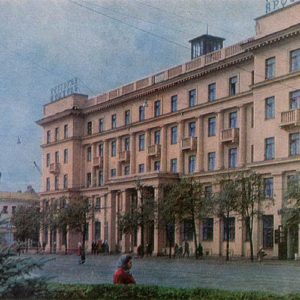
“Yaroslavl” Hotel. Yaroslavl, 1967
-
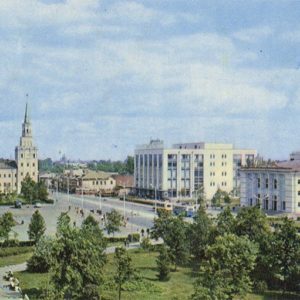
Area Labor, Yaroslavl, 1973
-
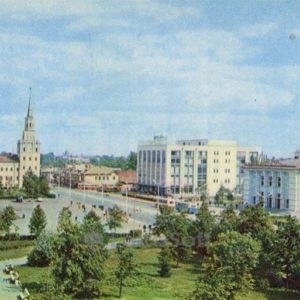
Area Labor. Yaroslavl, 1973
-
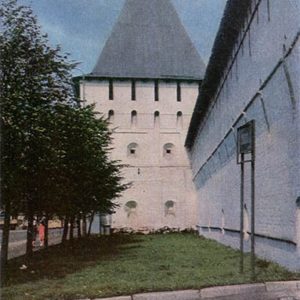
Bogorodskaya tower Spassky Monastery. Yaroslavl, 1967
-
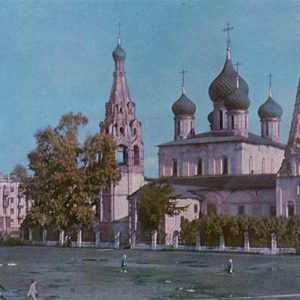
Church of Elijah the Prophet. Yaroslavl, 1967
-
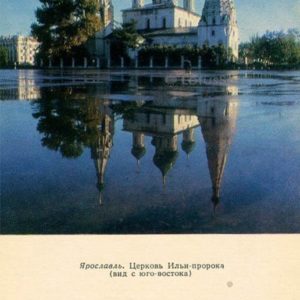
Church of Elijah the Prophet. Yaroslavl, 1972
-
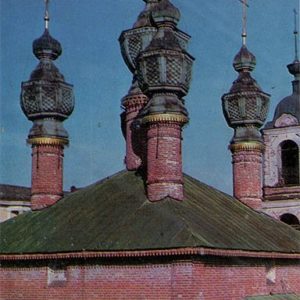
Church of the Annunciation. Yaroslavl, 1967
-
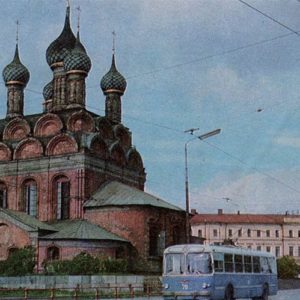
Church of the Epiphany. Yaroslavl, 1967
-
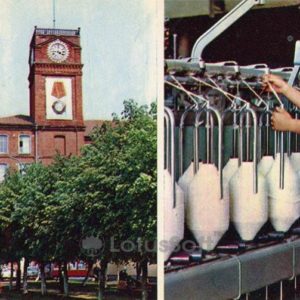
Combine technical fabrics “Red Perekop”. Yaroslavl, 1973
-
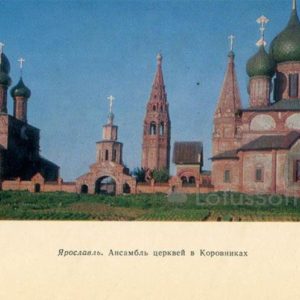
Ensemble of churches in Korovniki. Yaroslavl, 1972
-
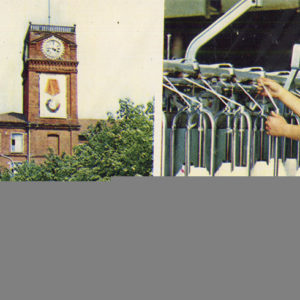
Factory “Red Perekop” Yaroslavl, 1973
-
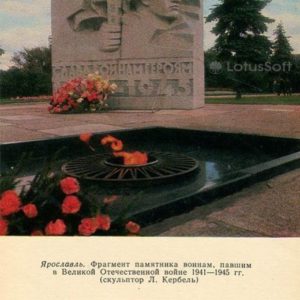
Framgment monument to soldiers who died in World War II. Yaroslavl, 1972
-
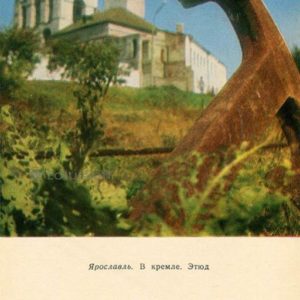
In the Kremlin. Yaroslavl, 1972
-
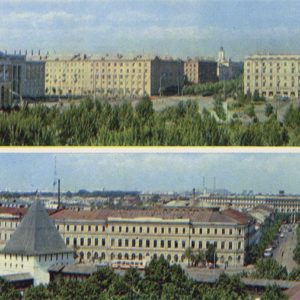
Jubilee Square, view of Glavpochtampt, Yaroslavl, 1973
-
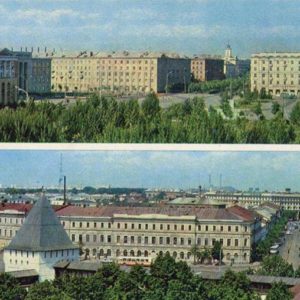
Jubilee Square. Main Post Office. Yaroslavl, 1973
-
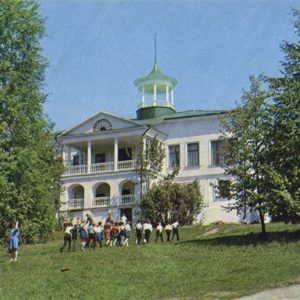
Karabikha village, museum-estate Nekrasov, 1973
-
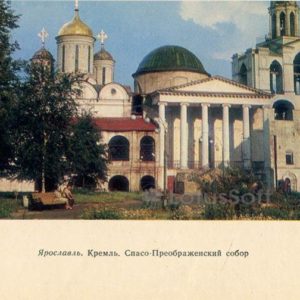
Kremlin. Transfiguration Cathedral. Yaroslavl, 1972
-
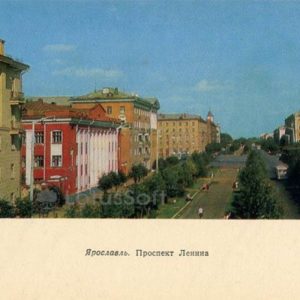
Lenin Avenue. Yaroslavl, 1972
-
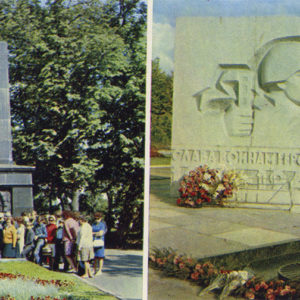
Monument of Glory, Yaroslavl, 1973
-
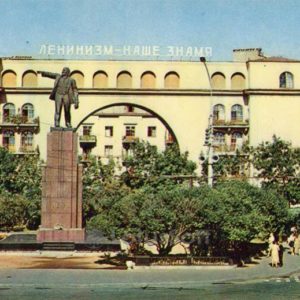
Monument to Lenin in the Red Square. Yaroslavl, 1973
-
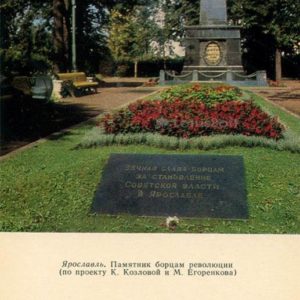
Monument to the fighters of the revolution. Yaroslavl, 1972
-
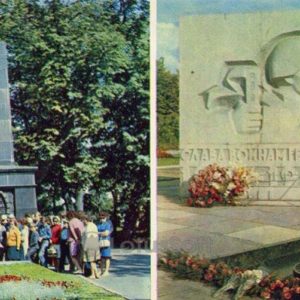
Monument to victims of White Guard mutiny in 1918. Yaroslavl, 1973
-
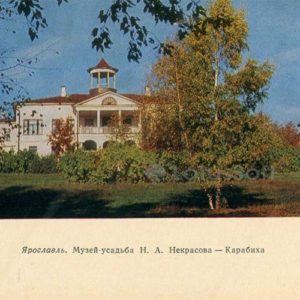
Museum-Estate NA Nekrasov. Karabikha, 1972
-
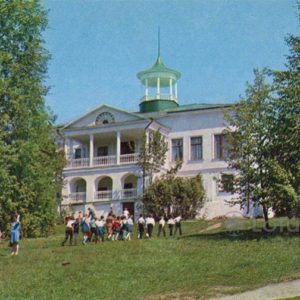
Museum-Estate NA Nekrasov. Karabikha, 1973
-
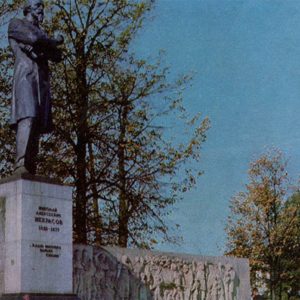
NA monument Nekrasov on the Volga embankment. Yaroslavl, 1967
-
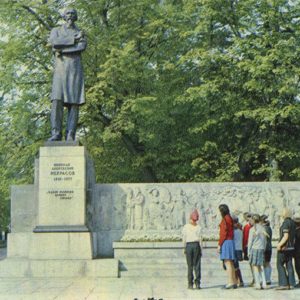
NA monument Nekrasov, Yaroslavl, 1973
-
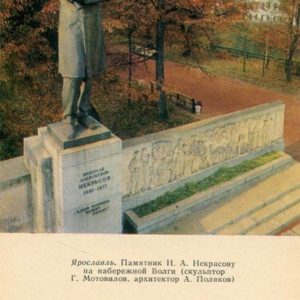
NA monument Nekrasov. Yaroslavl, 1972
-
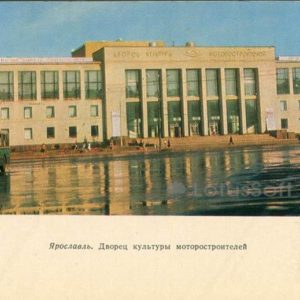
Palace of Culture engine builders. Yaroslavl, 1972
-
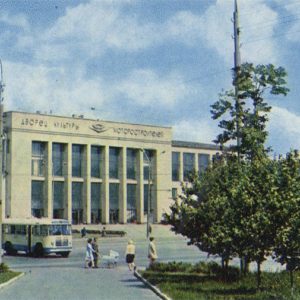
Palace of Culture from the Yaroslavl Motor Plant, Yaroslavl, 1973
-
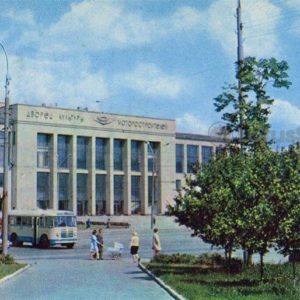
Palace of Culture of the Order of Lenin Yaroslavl Engine Plant. Yaroslavl, 1973
-
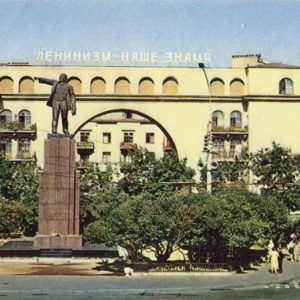
Payamyatnik VI Lenin, Yaroslavl, 1973
-
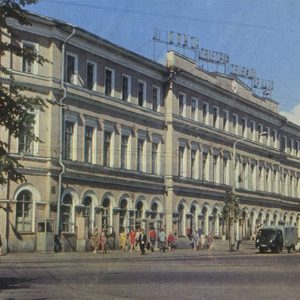
Post House, Yaroslavl, 1973
-
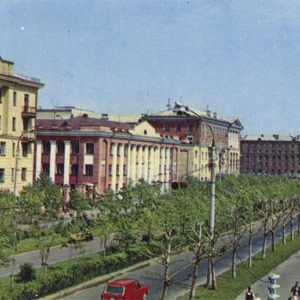
Prospect them. IN AND. Lenin, Yaroslavl, 1973
-
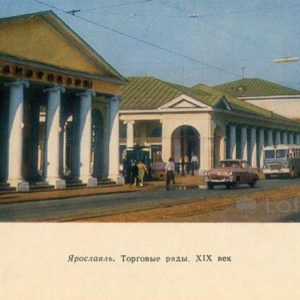
Shopping arcade XIX century. Yaroslavl, 1972
-
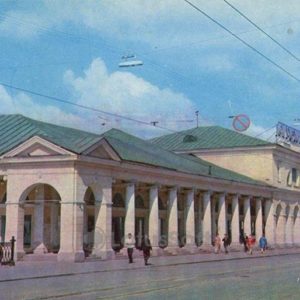
Shopping arcade XIX century. Yaroslavl, 1973
-
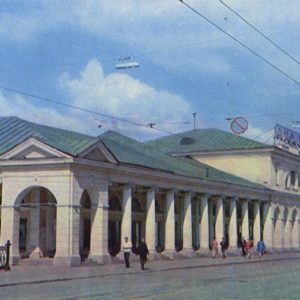
Shopping arcade, Yaroslavl, 1973
-
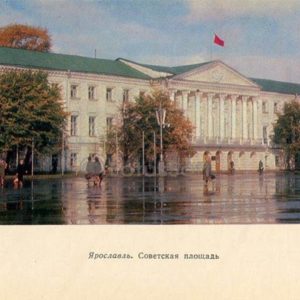
Soviet square. Yaroslavl, 1972
-
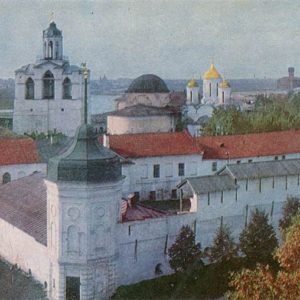
Spassky Monastery XII century. Yaroslavl, 1967
-
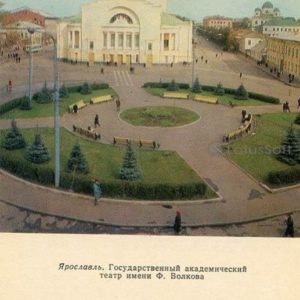
State Academic Theater. F. Volkov. Yaroslavl, 1972
-
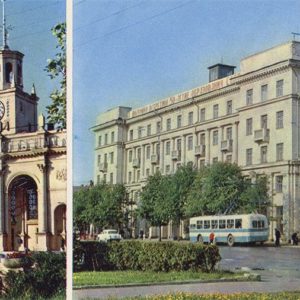
Station “Yaroslavl-Main”, Yaroslavl, 1973
-
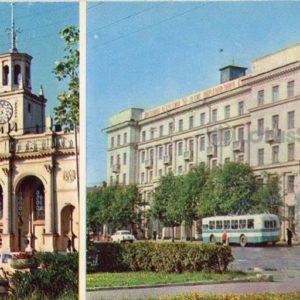
Station Yaroslavl-Main. Goodies “Yaroslavl”. Yaroslavl, 1973
-
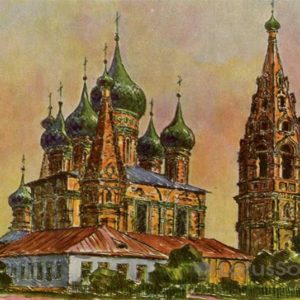
Temple of St. Nicholas Wet. Yaroslavl, 1966
-
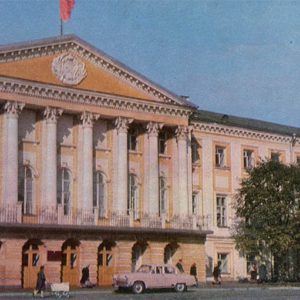
The building of the regional council of deputies. Yaroslavl, 1967
-
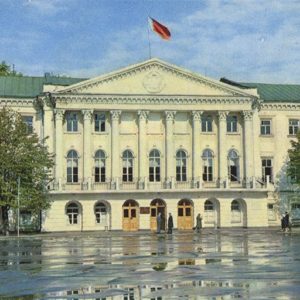
The building of the regional executive committee, Yaroslavl, 1973
-
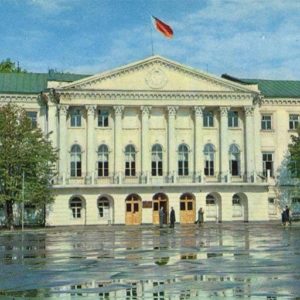
The building of the regional executive committee. Yaroslavl, 1973
-
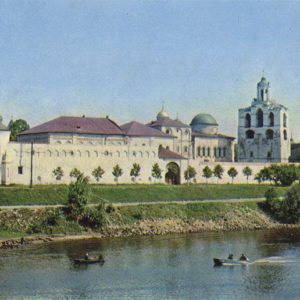
The ensemble of Holy Transfiguration Monastery, Yaroslavl, 1973
-
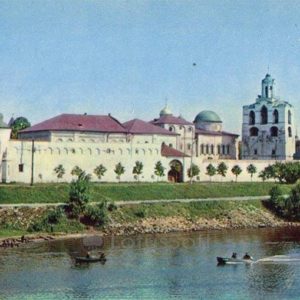
The ensemble of Holy Transfiguration Monastery. Yaroslavl, 1973
-
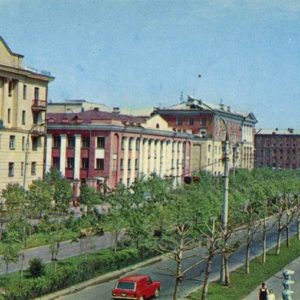
the VI Avenue Lenin. Yaroslavl, 1973
