
Rostov Veliky
The postcard collection of Rostov Veliky consists of 20 images dated 1984. These postcards offer a unique glimpse into the city captured at a specific moment in time. Among the views presented are panoramic and general views that convey the atmosphere and architectural heritage of the city.
Recurring locations on the postcards include the Spaso-Yakovlevsky Monastery and the Assumption Cathedral. Images of churches such as the Church of the Savior on the Marketplace and the Church of the Ascension also appear. These buildings are significant elements of the city’s architecture and cultural heritage.
The postcards showcase a variety of urban scenes, including views of the Kremlin, its walls, and towers. Panoramic views allow appreciation of the scale and beauty of Rostov Veliky, while images of wooden architecture highlight the uniqueness of the local style.
The collection is valuable for historians and collectors as it allows the study of changes in the urban environment through dates and captions on the postcards. Dated examples from 1984 help pinpoint the timeframe of the images, and the condition of the postcards provides insight into the preservation and popularity of these views.
Showing all 20 results
-
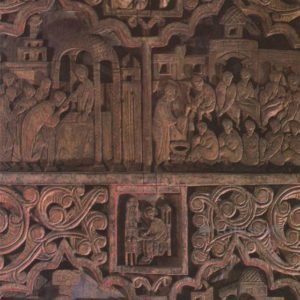
A fragment of the Holy Doors of the Church of the Ascension. Rostov Veliky, 1984
-
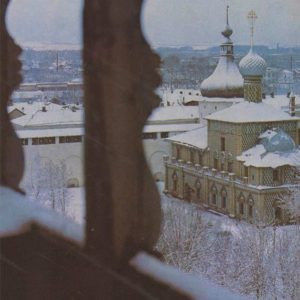
Church Hodegetria in Krmele. Rostov Veliky, 1984
-
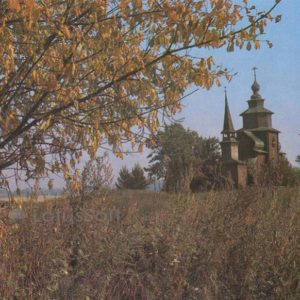
Church of St. John the Evangelist on Ishna river. Rostov Veliky, 1984
-
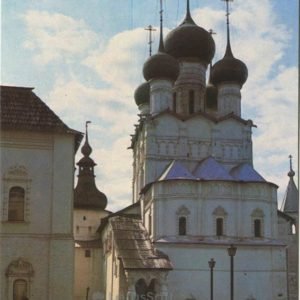
Church of St. John the Theologian in Krmele. Rostov Veliky, 1984
-
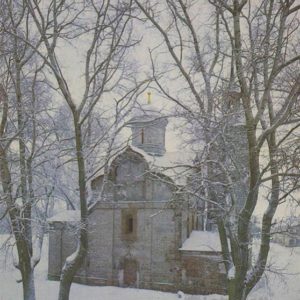
Church of the Ascension. Rostov Veliky, 1984
-
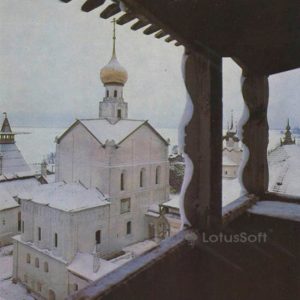
Church of the Savior in the Kremlin. Rostov Veliky, 1984
-
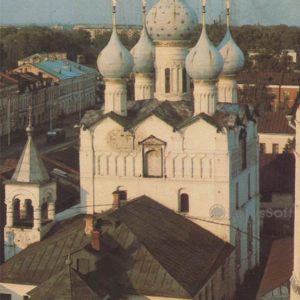
Church of the Savior on the bid. Rostov Veliky, 1984
-
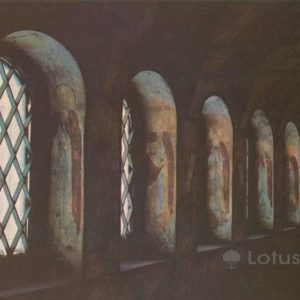
Frescoes north gallery of the Church of the Resurrection in the Kremlin. Rostov Veliky, 1984
-
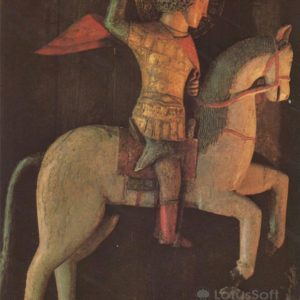
George. Rostov Veliky, 1984
-
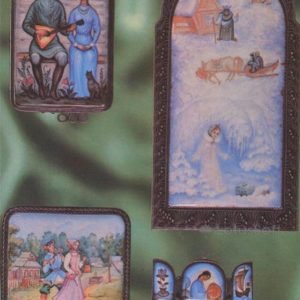
Modern Rostov enamel. Rostov Veliky, 1984
-
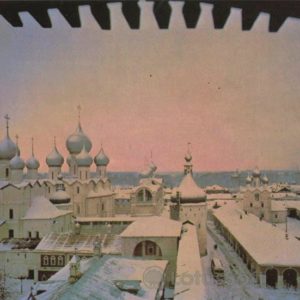
panorama of the city. Rostov Veliky, 1984
-
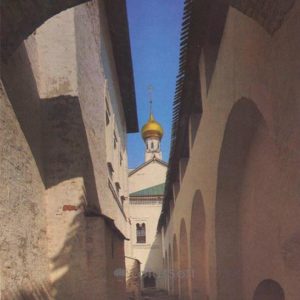
Pass along the inner walls of the Kremlin. Rostov Veliky, 1984
-
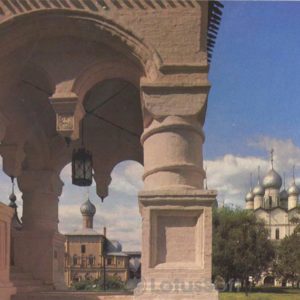
Porch of the Red Chamber in the Kremlin, 1984
-
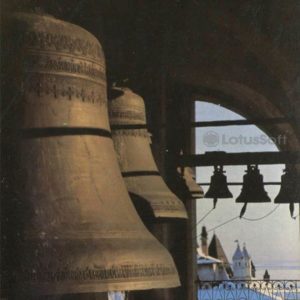
Rostov belfry bell. Rostov Veliky, 1984
-
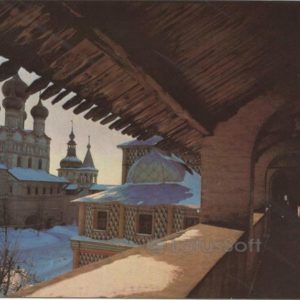
Skip the north wall Krmelya. Rostov Veliky, 1984
-
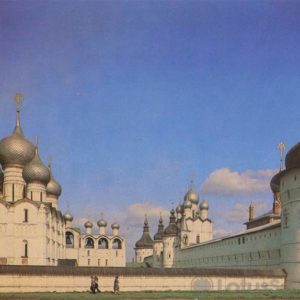
View of the Assumption Cathedral and bell tower. Rostov Veliky, 1984
-
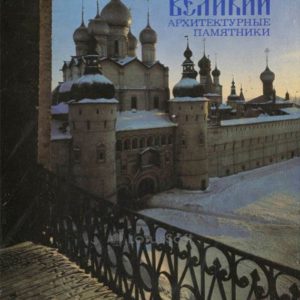
View of the holy gates of the Resurrection Church. Rostov Veliky, 1984
-
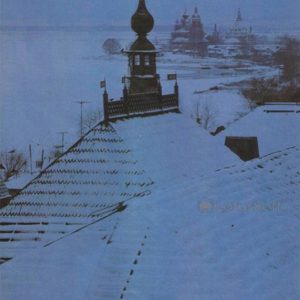
View of the Monastery of the Savior Yakovlevsky from the Kremlin. Rostov Veliky, 1984
-
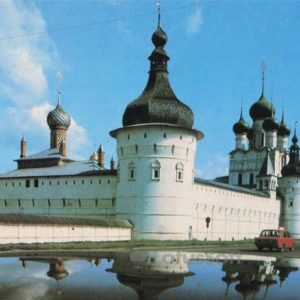
Walls and towers of the Rostov Kremlin. Rostov Veliky, 1984
-
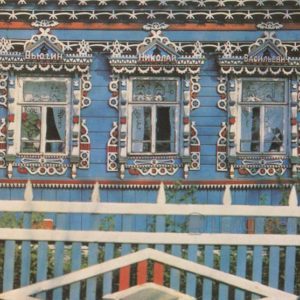
Wooden architecture. Rostov Veliky, 1984
